
Negligent Maintenance Lawyer in Vancouver, WA
A negligent maintenance lawyer in Vancouver, WA can investigate unsafe property conditions. Contact VanWa Legal for a free consultation.

Serving Vancouver and Southwest Washington
$1.15M wrongful death settlement
No fee unless we win
Attorney led representation
A negligent maintenance lawyer in Vancouver, WA can investigate whether a property owner's failure to inspect, repair, or warn about an unsafe condition contributed to your injury. These cases may arise when neglected stairs, faulty wiring, poor lighting, leaks, or other property defects cause someone to get hurt.
VanWa Legal represents injured people in Vancouver and Clark County. We examine who controlled the property, what they knew about the condition, and whether reasonable maintenance could have prevented the incident. Responsibility and available compensation depend on the evidence.
Contact us for a free consultation about what happened and what you can do next.
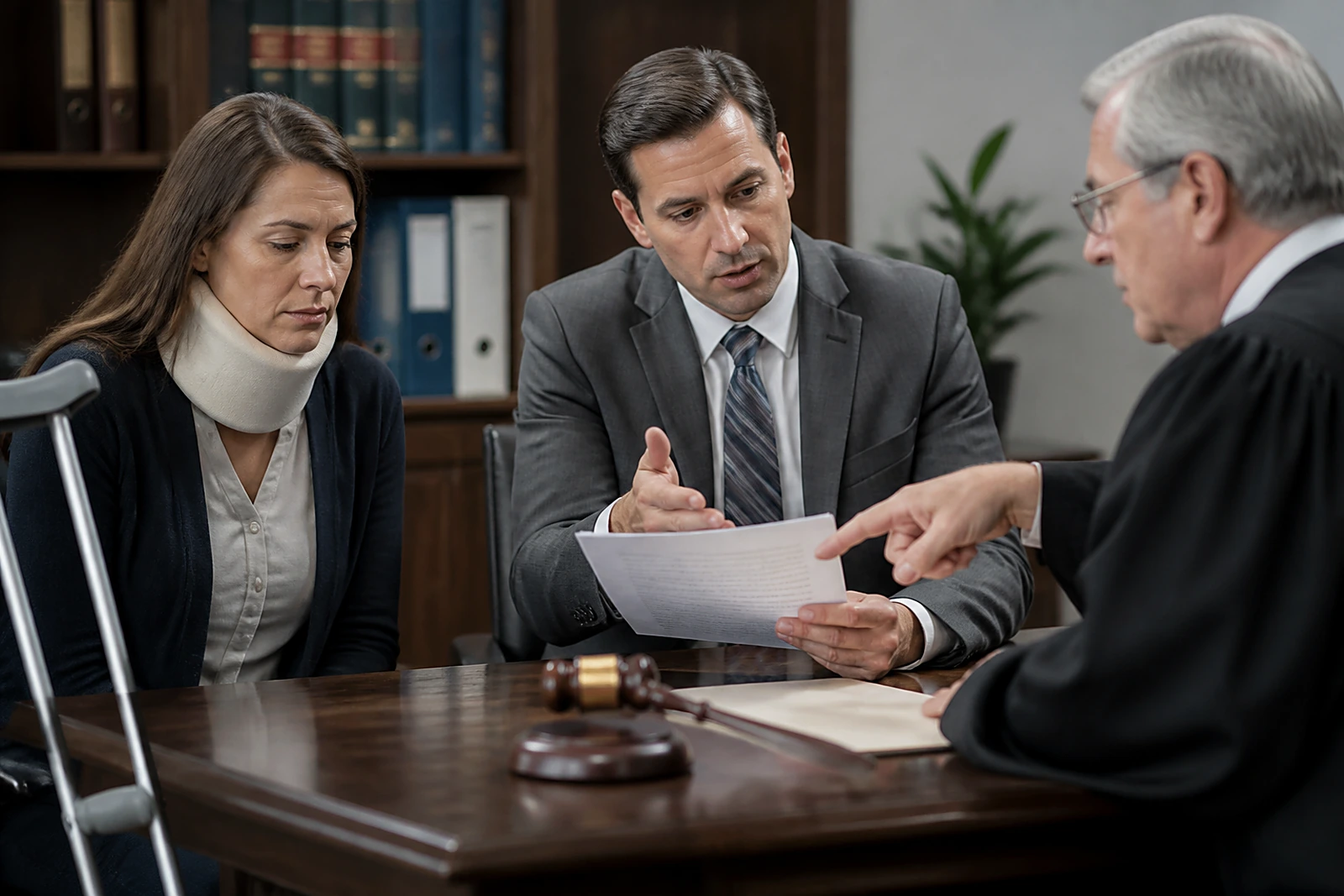
When an injury may involve negligent maintenance
A maintenance-related injury involves more than the presence of a dangerous condition. The legal questions often include who was responsible for inspecting or repairing the property, how long the hazard existed, whether anyone reported it, and what steps were taken before the injury.
Consider a loose stair railing that had been the subject of repeated tenant complaints. If the railing later gives way, the repair history could help show whether the responsible party had an opportunity to address the danger. But a defect or code issue does not automatically establish liability. Each claim requires a fact-specific review.
What type of lawyer do you need to sue for negligence? Injuries caused by unsafe property conditions generally fall within premises liability, a part of personal injury law. An unsafe building injury lawyer can investigate property control, notice, maintenance practices, causation, and the losses resulting from the injury.
Broken stairs, railings, floors, and walkways
Loose handrails, rotting steps, damaged flooring, unrepaired holes, and uneven walking surfaces can lead to serious falls. These incidents may cause broken-bone injuries, head trauma, or lasting mobility problems.
The investigation should address when the defect developed and whether inspections or earlier repairs identified it.
Leaks, poor lighting, electrical hazards, and falling materials
Persistent leaks can damage floors, walls, or ceilings. Poor lighting may make stairs and walkways difficult to navigate, while faulty electrical systems or neglected heating equipment can cause burn injuries.
Falling ceiling material, shelving, or building components may also cause traumatic brain injuries. Maintenance logs and prior reports can be especially useful when the condition developed over time.
Landlord and apartment-maintenance failures
A landlord negligence injury may involve an unrepaired common-area stairway, a broken exterior light, damaged flooring, faulty wiring, or another condition within a landlord's area of responsibility. Whether a landlord may be liable depends on the lease, control of the area, notice, applicable law, and other facts.
Tenants should keep copies of repair requests, emails, photographs, and responses whenever possible.
Unsafe conditions at businesses and public-facing properties
Negligent maintenance claims may involve stores, restaurants, offices, apartment complexes, parking areas, hotels, or other properties open to visitors. Animal-related incidents can raise separate questions about control and responsibility, which we address in our information about Vancouver dog-bite claims.
What must be proven in a Washington negligent-maintenance claim
People sometimes refer to duty, breach, causation, and damages as the four proofs or elements of negligence. Those terms provide a useful framework, but proving them requires evidence tied to the particular property, hazard, and injury.
A claimant generally must establish that a person or business owed an applicable duty, failed to meet that duty, and caused an injury that resulted in legally recognized losses. Premises liability duties may depend on why the injured person was on the property, who controlled the relevant area, and what the responsible party knew or reasonably should have known.
Who owned, occupied, or controlled the property?
The name on a deed does not always answer who controlled the condition. A tenant may control one area, while a landlord retains responsibility for a stairwell, roof, parking lot, or shared hallway. A property manager or maintenance contractor may have agreed to perform inspections and repairs.
We examine leases, management agreements, maintenance contracts, public property records, and testimony where available. This work helps identify the people or entities whose conduct should be evaluated.
Did the responsible party know, or have reason to know, about the hazard?
Actual notice may come from a repair request, inspection report, employee observation, prior incident, or direct complaint. Other cases focus on whether the condition existed long enough, recurred often enough, or should have been discovered through reasonable inspection practices.
The answer depends on admissible evidence. A claimant does not necessarily need to have personally reported the hazard, but the absence of earlier complaints may affect how notice is investigated and proven.
Did the unsafe condition cause the injury and losses?
A dangerous condition must have a meaningful connection to the incident. Photographs, witness statements, medical records, expert analysis, and the injured person's account may help establish what occurred.
Medical documentation can also connect the event to injuries such as fractures, concussions, or neck and back injuries. Insurers may dispute causation when symptoms appeared later or when the person had a prior medical condition, so a careful timeline matters.
Owners, landlords, property managers, tenants, and contractors
These parties do not automatically share the same obligations. Their responsibilities may arise from property control, contracts, leases, work assignments, or Washington law.
One party may have received complaints, another may have scheduled repairs, and a third may have performed defective work. We investigate each role before determining where a claim may be directed.
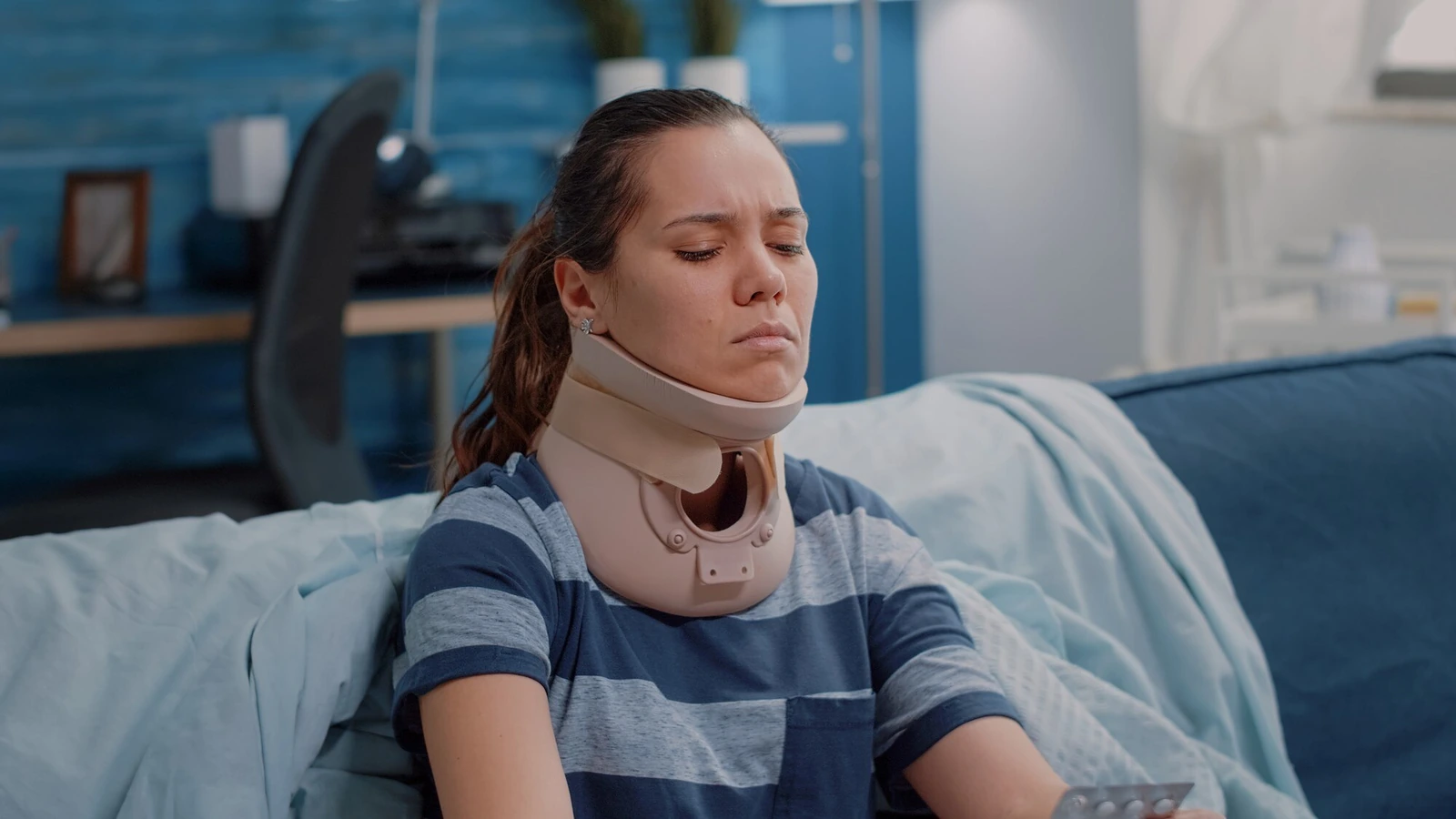
Evidence that can show a property was not properly maintained
Evidence in a property maintenance injury claim can change quickly. A broken step may be repaired, surveillance footage may be overwritten, and maintenance personnel may leave their jobs. Prompt documentation can preserve a clearer account of the property as it existed when the injury occurred.
Useful evidence may include:
- Photos or video showing the hazard, surrounding area, lighting, warning signs, and visible injuries
- Prior complaints, repair requests, emails, text messages, or tenant-portal submissions
- Work orders, maintenance logs, inspection schedules, invoices, and contractor records
- Incident reports and contact information for witnesses
- Surveillance footage from the property or nearby businesses
- Building, fire, or safety records when relevant and legally available
- Medical records documenting the injury, symptoms, treatment, and recommended care
- Pay records or employer statements showing missed work and lost income

Do not put yourself at risk to collect evidence. If you can do so safely, keep the clothing and footwear involved, save original files rather than edited copies, and write down what you remember while events are fresh.
Some records are private or controlled by another party. We can send appropriate preservation requests and pursue available evidence through the legal process, but no law firm can promise that every requested record still exists or can be obtained.
How a Vancouver negligent maintenance claim moves forward
Every case develops differently. Our process begins with the immediate questions: What condition caused the injury? Who controlled it? What evidence remains? Then we assess the legal and insurance issues that could shape the claim.
1. Initial consultation and conflict check
During a free consultation, we ask where and when the incident occurred, why you were on the property, how you were hurt, and whether the condition was photographed or reported. We also discuss your treatment and any communication with an owner, manager, insurer, or investigator.
A conflict check and further review are required before an attorney-client relationship can begin.
2. Identifying the property and responsible parties
We determine who owned, occupied, leased, managed, maintained, or repaired the relevant area. This may require reviewing property records, leases, management agreements, business information, and contractor relationships.
Identifying the right parties matters because responsibility may be divided. It also helps determine whether homeowner, landlord, commercial-property, contractor, or another form of insurance may apply.
3. Preserving maintenance, inspection, and notice evidence
We identify evidence at risk of being lost and consider appropriate preservation steps. Depending on the case, that may include requesting surveillance footage, inspection records, incident reports, maintenance logs, work orders, repair communications, or information about earlier complaints.
Recurring problems deserve close attention. A single work order may provide limited context, while a series of delayed repairs could reveal how the property was maintained over time.
If you were recently hurt, contact VanWa Legal for a free consultation before discarding damaged belongings, deleting messages, or giving a recorded insurance statement.
4. Documenting injuries and financial losses
Medical records and bills help establish the nature of the injury and the treatment it required. We may also review wage records, work restrictions, transportation costs, and evidence of how the injury affects daily activities.
Severe falls, electrical incidents, and falling materials can cause spinal cord injuries or other long-term conditions. Future care and reduced earning capacity require careful support. They cannot be estimated responsibly from an initial conversation alone.
5. Insurance negotiations and case evaluation
Once the facts and medical information are developed enough for meaningful review, we evaluate potential claims and available coverage. That timing varies. Some injuries stabilize within months, while others require further testing, surgery, or rehabilitation before their long-term effects are understood.
We communicate with involved insurers, present supported losses, and evaluate responses with you. An early offer may not account for unresolved medical needs, but rejecting or accepting any offer remains a case-specific decision.
6. Filing a lawsuit when appropriate
Some claims can be resolved through negotiation. Others involve disputes over notice, control, causation, fault, insurance coverage, or the extent of the losses.
When filing suit is legally and strategically appropriate, the process may include written discovery, document requests, depositions, expert analysis, motions, mediation, and trial preparation. Filing a lawsuit does not guarantee a settlement or verdict, and the time required depends on the court, parties, evidence, and complexity of the dispute.
Our approach is trial-ready from the start. That means building the file around evidence that can be evaluated and, if necessary, presented in court.
Compensation that may be available
A negligent-maintenance claim may seek compensation for losses caused by the injury. The categories available depend on the legal basis for the claim and the supporting evidence.
Potential losses may include:
- Emergency care, hospital bills, rehabilitation, medication, and other medical expenses
- Reasonably supported future treatment and care
- Lost wages and reduced earning capacity
- Pain, physical limitations, and loss of enjoyment of life
- Emotional distress when recognized by law and supported by the facts
- Other documented expenses attributable to the injury

Long-term losses can be significant in cases involving catastrophic injuries, but severity alone does not determine the value of a claim. Liability, causation, insurance, prognosis, and the quality of the supporting evidence all matter.
How much can you sue for emotional distress in Washington state? There is no responsible universal figure to quote. Whether emotional-distress damages are available, and what amount may be supported, depends on the claim's legal basis, the nature and duration of the harm, medical or other evidence, causation, and the full circumstances of the case.
We evaluate compensation only after investigating the facts. No attorney can guarantee an award.

Washington deadlines and shared fault
Washington law can affect both the time available to bring a claim and the amount a claimant may recover. These issues should be reviewed early because the correct analysis depends on more than the incident date.
RCW 4.16.080 generally lists a three-year limitations period for actions involving injury to a person. That general rule is not a definitive deadline for every reader. Accrual questions, a claimant's age, the identity of a defendant, prior proceedings, and other circumstances may alter the analysis. Claims involving a city, county, state agency, or another government entity may also involve separate procedural requirements.
What is the negligence rule in Washington state? Washington uses comparative fault. Under RCW 4.22.005, contributory fault does not bar recovery, but it reduces recoverable damages in proportion to the claimant's share of fault.
For example, a property owner may argue that an injured visitor ignored a warning or failed to watch where they were walking. That allegation does not resolve the claim by itself. The evidence must be examined to determine whether the claimant was partly at fault and, if so, how Washington law applies.
Prompt legal review gives counsel time to examine deadlines, preserve records, and assess disputed-fault arguments without making assumptions about your case.

Why injured people choose VanWa Legal
VanWa Legal is based in Vancouver and serves injured people throughout Clark County and Southwest Washington. You work directly with an attorney who can explain the process, answer questions, and evaluate decisions with you.
Our representation is evidence-focused. We investigate property control, inspection practices, repair history, prior notice, insurance coverage, medical documentation, and the financial effects of the injury. And we prepare claims with litigation in mind, even when negotiation may provide a suitable path forward.
You can begin with a free initial consultation. There is no charge for that first conversation, and contacting us does not require you to hire the firm. Representation begins only after conflicts are cleared, the case is accepted, and an engagement agreement is signed.
Clear communication matters after an injury. We want you to understand what information is available, what remains disputed, and what choices may come next.
FAQ
Frequently asked questions
A personal injury lawyer who handles premises liability claims can evaluate a negligent-maintenance injury. Experience examining property control, notice, repairs, insurance, and medical causation is useful.
Got some more questions? Send us a message at [email protected]
Talk with a Vancouver negligent maintenance lawyer
Unsafe-property cases often turn on evidence that can change or disappear. A negligent maintenance lawyer in Vancouver, WA can review the condition, responsible parties, insurance, injuries, and applicable deadlines.
Contact VanWa Legal to book a free consultation. Speaking with our firm does not guarantee case acceptance, compensation, or any particular result.

Contact us
Schedule a Free Consultation
If you were injured in an accident in Vancouver or Clark County, you do not have to figure this out alone. Talk to an attorney about your case at no cost, and pay nothing unless we win.